
Why Is The UK Going After Shechita?
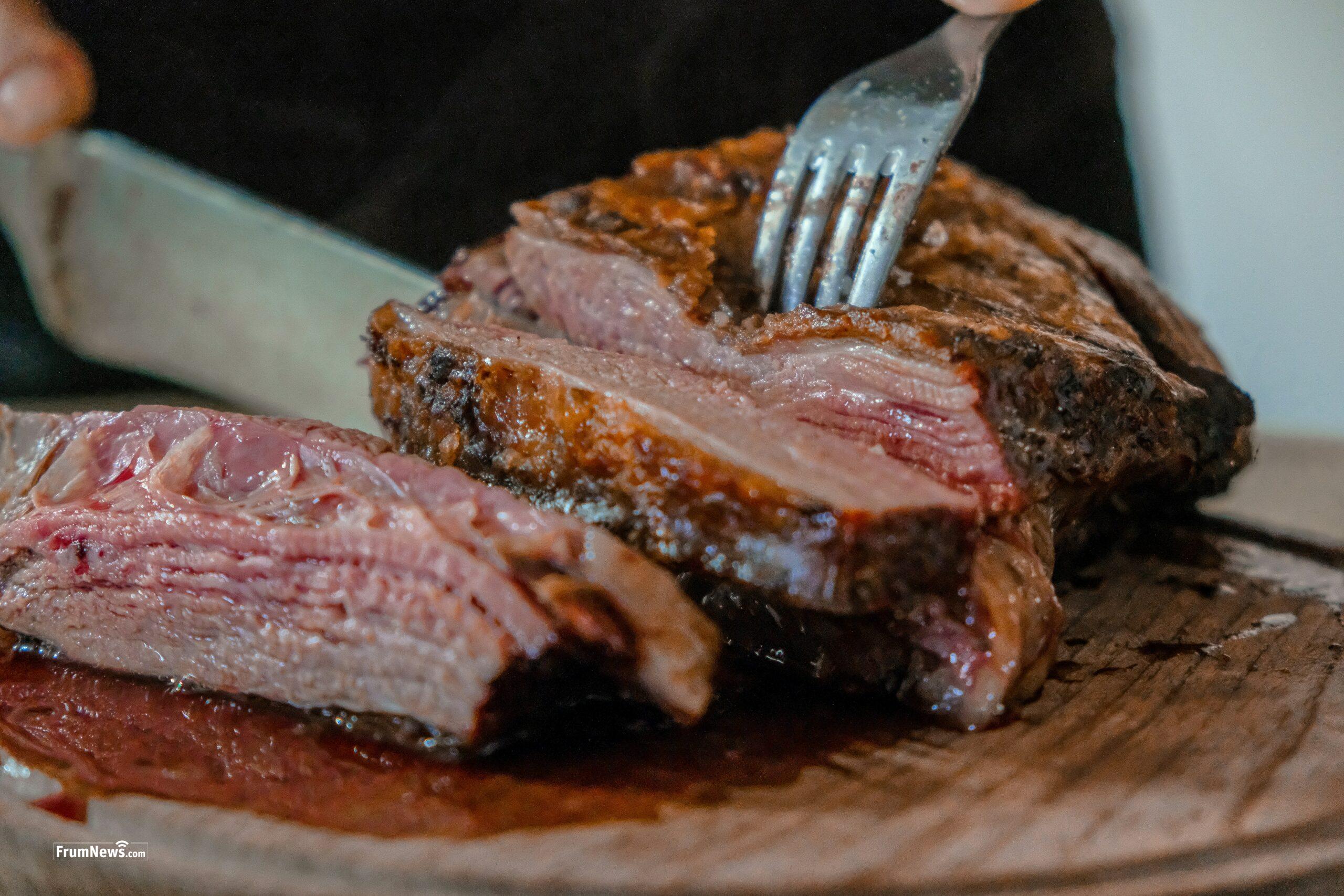
A proposed bill that requires clear labeling of Kosher and Halal meat, just passed the first reading, is raising alarms among the British Jewish community.
By FrumNews.com
London, UK — A proposed bill that requires clear labeling of Kosher and Halal meat, just passed the first reading, is raising alarms among the British Jewish community.
The proposed bill, which passed its first reading in the United Kingdom’s House of Commons on Tuesday, is raising alarm that it is the first step toward banning shechita in the UK by forcing stunning during shechita, which is against Halacha (and, lehvdil, against Halal laws).
The bill didn’t originate from the left, rather right-wing Tory MP Esther McVey of Tatton — who controversially used a Holocaust poem to oppose a proposed smoking ban — and was backed by MPs from both sides, who claim that a lack of stunning causes “severe pain” for animals.
Among the backers is independent MP Rupert Lowe, formerly of Reform, who has repeatedly said he would like to see the religious slaughter process outlawed.
“All kosher meat and products containing kosher meat are already clearly labelled. I think it is fair to say that Jews invented the concept of food labelling a very long time ago,” Shimon Cohen of Shechita UK said in a letter questioning why the bill focused solely on kosher and halal meat. “That you are only calling for the ‘labelling (of halal) and kosher meat’ leads me to think that you are not seeking to provide Jews (and Muslims) with information, but you are seeking to provide information beyond audiences of consumers who choose to buy kosher or halal products.”
“This isn’t about animal welfare,” Labour MP David Pinto-Duschinsky of Hendon, which has a large Jewish community, slammed McVey’s bill on X. “It’s about dog whistles that brand minorities & their religious practices as cruel. I expected this of Rupert Lowe, who sponsored a Westminster Hall debate on this a few months ago—but am shocked that senior Tories are following his lead.”
According to The London Standard, MPs rejected a 2014 move proposed by then Tory MP Philip Davies, who is now married to MP McVey, to compel the labelling of halal and kosher meat.
“I do not see why Jews and Muslims alone should be compelled by law to have the meat they eat labelled in a way that no other meat is labelled,” the late Jewish MP Gerald Kaufman of Manchester blasted a similar bill proposed by Davies during a 2012 debate in the House of Commons. “[Davies] is picking out two small minority religions that have a special way in which the meat they eat is killed and asking that they, and they alone, have their meat labelled.”
We’ve Been Here Before
We have seen this play before in the Western world, where forcing such measures is the first step by these countries to fully ban shechita, as seen in Canada and Europe (including Slovenia, Wallonia and Flanders in Belgium, Denmark, and Switzerland) — as well as failed efforts in Australia and New Zealand.
The first modern-day regulations (claiming it for animal welfare) against shechita were from Switzerland in the late 1800s, which was the first country to institute a ban on ritual slaughter, allegedly did so as a anti-Semetic response to increased immigration of Yidden from Eastern Europe. Germany, Hungary, Italy, Norway, Poland, and Sweden enacted similar bans in the lead-up to World War II.
As anti-Semitism spikes in the UK and Europe, it’s a veiled way of saying that Jews and other religious minorities are no longer welcome.
A 2020 report by the United States Commission on International Religious Freedom (USCIRF) clearly lays this out, reporting that in Europe, “These laws force individuals to abandon deeply held religious doctrine and imply a message of exclusion to all those who seek to follow their religion’s dietary requirements.” Adding a quote from the former U.S. Special Envoy to Monitor and Combat Anti-Semitism, Elan Carr, who called such restrictions “disgraceful.”
Animal “rights” groups, such as The British Veterinary Association, the Royal Society for the Protection of Animals, have long been slandering shechita in a bad light by writing letters to newspapers and journals, running inflammatory advertisements, and backing efforts to ban it — even with peer-reviewed studies which demonstrate shechita is the most humane way to slaughter.

Read Next trending_flat

 News
News
Canadian Hechsherim Seek Injunction Over Shechita Ban
News
Post the first comment!